

You’ve heard it from all the beauty gurus and dermatologist out there, that sunscreen is a MUST in your skincare routine and a huge part in preventing sun damage to your skin. However, navigating through which sunscreen is right for you can be confusing and understanding what it all means. SunGenix is here to break it down for you, so you can make more informed choices about buying sunscreen.
Why is it important to wear sunscreen daily?
Sun damage is cumulative and non-reversible. It is the number one cause of premature skin-ageing. Australia also has one of the highest rates of skin cancer in the world. Preventing sun damage is a better way to protect yourselves as damage cannot be reversed. Therefore, with damaging effects of UV exposure, this makes sunscreen an important step in preventing long-term and cumulative damage.
What is UV radiation and how can sunscreen protect against it?
The sun produces 3 main types of energy:
- light (visible waves)
- heat (infrared radiation) and
- UV radiation
Ultraviolet or UV radiation is often named as the invisible killer because we cannot see or feel it and is the major cause of skin cancer. UV exposure is what causes sunburn, tanning, premature skin ageing and eye damage.
There are different types of UV radiation determined by wavelength:
- UVA – the longest in wavelength and is usually attributed to wrinkles and skin ageing because it penetrates deeper into your skin
- UVB – medium in wavelength, UVB is usually known to be responsible for damage to the top layer of your skin and can cause sunburn, tanning and skin cancer.
- UVC – the shortest wavelength and most dangerous. However, most to all UVC rays are absorbed by the ozone layer in the atmosphere and doesn’t reach the earth’s surface

(Source: https://www.nomige.com/blogs/skin-tips/uva-and-uvb-rays)
What is the UV index?
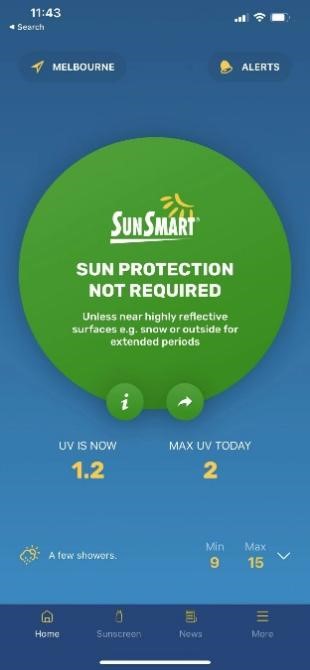
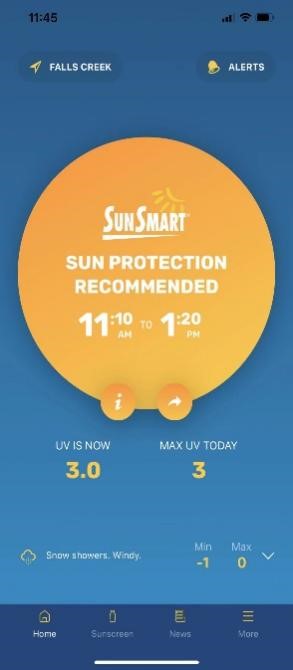
The UV index is a way to measure the amount of UV radiation levels. The higher the UV index, the higher the risk of skin damage. The Australian Cancer Council suggests that people wear sunscreen when UV index is above 3. The UV index levels are:
- Low (1-2)
- Moderate (3-5)
- High (6-7)
- Very high (8-10)
- Extreme (11 and above)
To check what the current UV index, you can download SunSmart’s mobile app or visit Bureau of Meteorology website.
What is SPF?
SPF stands for sun protection factor. It is a measure of how effective a sunscreen is against sunburn. The SPF value only represent the UVB protection offered by a sunscreen because they are derived from an experiment that assesses protection against sunburn brought on by UVB radiation.
A quick general breakdown of the protection you are offered are:
- SPF 15 – will filter out 93% of UV
- SPF 30 – filters out 96.7% UV
- SPF 50 – filters about 98% of UV
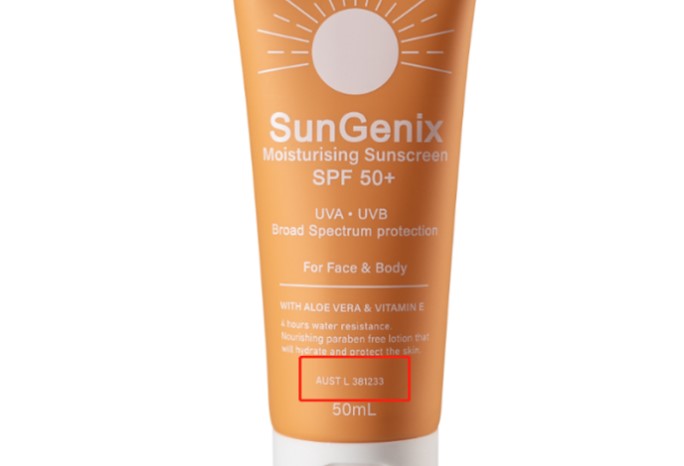
In Australia, any sunscreens with SPF 4 or above is regulated by the Therapeutic Goods Administration (TGA). This means that they are treated like a drug and are subject to higher standards of testing, manufacturing, labelling and requirements. You’ll see a AUSTL number on sunscreen packages to know if they are TGA approved.
The highest SPF rating you can get in Australia is SPF50+. The plus sign means that the sunscreen must provide at least SPF60 in testing.
What is broad spectrum?
In Australia, we use the term broad spectrum to indicate that a sunscreen filters out both UVA and UVB radiation. It’s a good thing when a sunscreen offers broad spectrum protection.
In Asia, you will often see the PA grading system to indicate how well a product can protect against UVA radiation. PA rating system can range from PA+ to PA++++.
Chemical Vs Physical sunscreen
There are two main types of sunscreens: Chemical and Physical.
Chemical sunscreens use chemical compounds that absorbs UV rays. They are the most common type of sunscreen you’ll find in your local supermarket or drugstore. This is because they can be formulated to be light weight and sheer.
Physical sunscreen contains minerals, such as zinc oxide, to form a physical barrier that sits on top of the skin to absorb and deflect UV rays from penetrating your skin. Physical sunscreens are often recommended for more sensitive skin, however, is more prone to wearing off as it is a physical barrier.
Australian sunscreens and TGA
Australia is known to be one of the best producers of sunscreens in the world. This is because any sunscreen with SPF 4 or above is regulated by Therapeutic Goods Administration (TGA) which is regulates medicine/ drugs, medical devices, and diagnostic tests. As sunscreens are being treated like medicines, it faces higher standards throughout the development and manufacturing process.
In Australia, there are essentially two types of sunscreens, therapeutic sunscreen, and cosmetic sunscreen. Therapeutic sunscreens include:
- Primary sunscreen higher than SPF 4 – products made primarily for sun protection
- Secondary sunscreen with SPF higher than 15 – products with a primary purpose other than sun protection.
Other products that don’t fit the above definition is considered a cosmetic sunscreen. Examples of cosmetic sunscreens include:
- Moisturisers with SPF15 or lower
- Foundations with SPF15 or lower
Therapeutic sunscreens in Australia must be listed or registered in the Australian Register of Therapeutic Goods (ARTG) before they can be lawfully marketed unless they are exempted from this. Most therapeutic sunscreens are included in the ARTG as listed medicines. Sunscreens having an AUST L number on the label, meaning they are ‘listed’ on the ARTG, which distinguish them from cosmetic sunscreens.
All SunGenix sunscreens are TGA-approved and registered on the ARTG. You’ll notice that all our products have an AUST L number labelled on the packaging to indicate this.
Only TGA-approved substances that have been each evaluated for safety can be used in the production of sunscreens, which must be done by a TGA certified production facility. Before a sunscreen product is put on the market, the TGA evaluates the safety of the substances used in it.
All therapeutic sunscreens must adhere to strict regulations regarding their labeling, advertising, testing, and ingredients. Additionally, sunscreens must adhere to the specifications outlined in the Standards Australia-published Australian/New Zealand Sunscreen Standard. TGA will conduct a random review of the sunscreen after it is released to the market. Products that do not adhere to regulations will be recalled.
As Australia’s ozone layer is quite thin due to its proximity to Antarctica and the increasing ozone layer hole there. Australia is subject to more intense UV radiation. As a result, Australia now ranks among the nations with the highest rates of skin cancer worldwide. Sunscreen is a crucial tool in the fight against skin cancer and sunburn. Higher standards for sunscreen have been proposed by Australians and the Australian government to guarantee that sunscreen worn on a regular basis is secure, superior, and efficient. TGA embodies such a thing. Through a variety of review and monitoring procedures, it makes sure that therapeutic products sold there adhere to approved safety and quality requirements.
Remember sunscreen is only one way to protect yourselves against harmful UV rays. It’s important to also wear protective clothing, sunglasses and avoid long exposure in the sun.
Resources: Australia Cancer Council and TGA